Collision vs. Comprehensive Coverage
Collision and comprehensive coverage both help protect your vehicle as an asset, but they are designed for different types of damage. Collision is usually about your vehicle hitting another vehicle, an object, the ground, or being damaged in certain hit-and-run situations. Comprehensive is usually about covered non-collision losses like theft, fire, hail, glass breakage, vandalism, rising water, or falling objects.
This page is educational. Your actual coverage depends on your policy wording, deductible, endorsements, exclusions, insurer rules, claim facts, and underwriting eligibility.
Collision vs. comprehensive: the quick answer
A simple way to remember the difference is this: collision is usually for damage caused when your vehicle hits something, is involved in a driving accident, or is damaged in certain hit-and-run situations. Comprehensive is usually for covered damage caused by something other than a collision.
Collision Coverage
Think: your vehicle hits something, is involved in a single-car accident, or is damaged in certain hit-and-run situations. Examples include hitting another vehicle, a pole, a guardrail, a wall, a curb, a fence, or another object.
Comprehensive Coverage
Think: something happens to your vehicle other than a collision. Examples include theft, attempted theft, fire, hail, vandalism, glass breakage, rising water, or a tree falling on the car.
Both Protect Your Vehicle
Both coverages are about damage to your own vehicle. They are separate from liability coverage, which helps protect you when others make covered claims against you.
Important: this is a simplified explanation. The actual claim outcome depends on the policy wording, deductible, exclusions, endorsements, fault determination, and facts of the loss.
Side-by-side comparison
Collision and comprehensive are often purchased together, but they are not the same coverage. The table below shows the general difference.
You hit another vehicle
Damage to your own vehicle may fall under collision coverage, subject to your deductible and policy terms. Damage or injury claims made by others are generally handled separately under liability or other applicable policy sections.
You slide on ice and hit a curb, pole, ditch, or guardrail
This is generally a collision issue because your vehicle hit something. The fact that road conditions were icy does not automatically make the claim not-at-fault for insurance purposes.
Your parked car is hit and the other driver leaves
If the responsible driver cannot be identified, collision or all perils coverage may be needed for damage to your own vehicle. This is one of the biggest reasons customers should be careful before removing collision.
Your vehicle is stolen
Theft or attempted theft is generally a comprehensive coverage issue, subject to your policy wording, deductible, exclusions, and claim details.
A tree or object falls on your vehicle
Falling objects are generally handled under comprehensive coverage, depending on your policy wording and deductible.
Your vehicle is damaged by fire, hail, vandalism, glass breakage, or rising water
These are common examples of comprehensive coverage claims. The claim still depends on policy wording, exclusions, deductible, and the facts of the loss.
This table is a general guide only. Always review your own policy wording and speak with your broker before changing physical damage coverage.
Important exception: parked car hit-and-run
Comprehensive is often described as coverage for things that happen while the car is parked, but a parking lot hit-and-run is a major exception customers should understand.
If the driver is identified
If another insured driver hits your parked vehicle and is identified, the claim may involve Direct Compensation Property Damage, depending on the province, policy, and claim facts.
If the driver leaves
If your vehicle is hit while parked and the responsible driver leaves and cannot be identified, collision or all perils coverage may be needed for your own vehicle damage.
Why this matters
You may feel you were not at fault, but if the other driver cannot be identified, you may still be without vehicle damage coverage if you removed collision.
Parked does not always mean comprehensive. If another vehicle hits your parked car and leaves, collision coverage may be the coverage that matters.
Examples where collision coverage may matter

Collision With Another Vehicle or Object
If your vehicle is damaged after hitting another vehicle, a pole, a guardrail, a wall, a fence, or another object, collision coverage may help pay for damage to your own vehicle, subject to your deductible and policy terms.
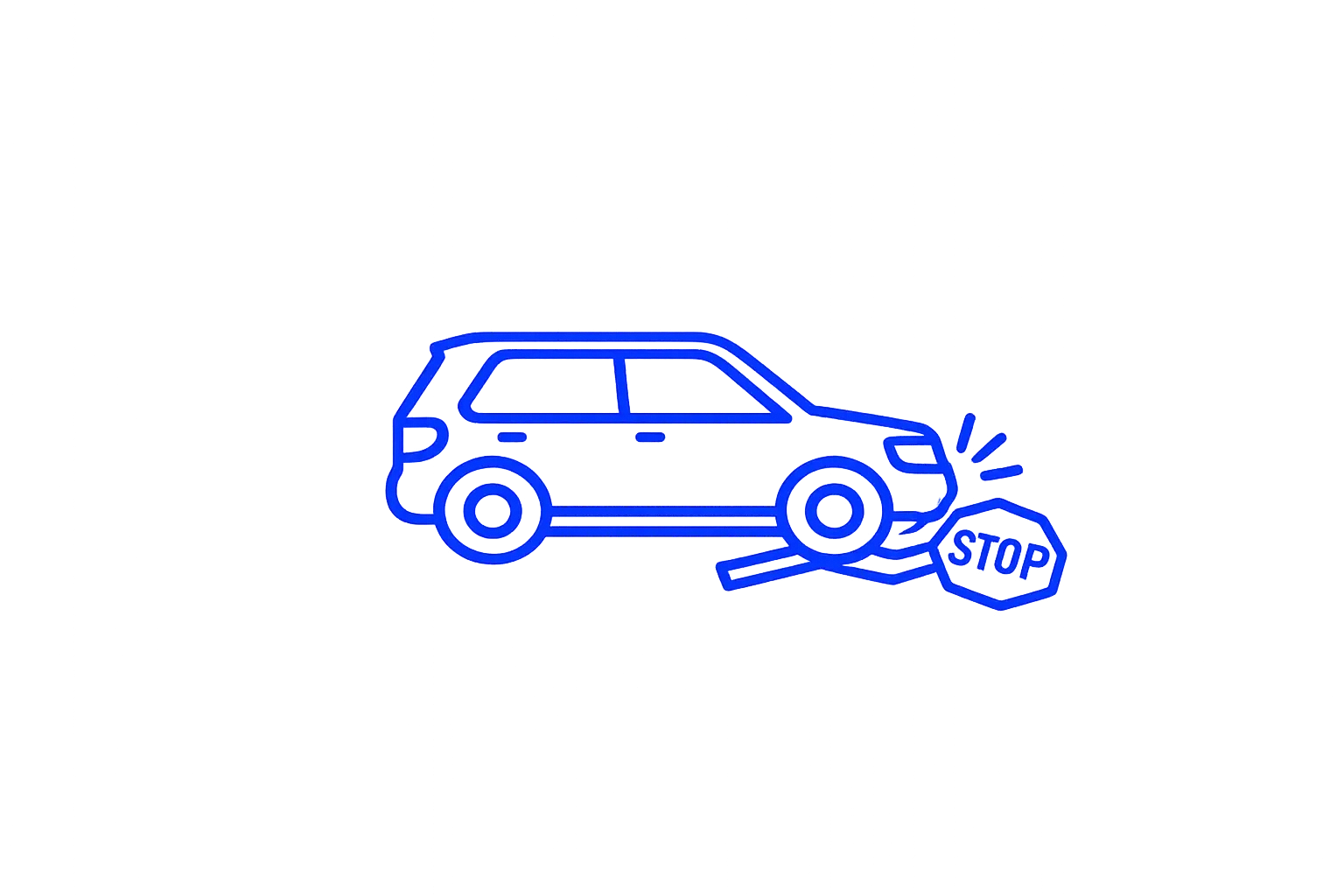
Single-Car Accident
If you slide on ice, lose control, and hit a curb, ditch, post, fence, or another object, collision coverage may be the coverage that protects your own vehicle from the physical damage.
Common Myth: “The Police Said I Was Not at Fault Because of Icy Roads”
Police and insurance companies look at accidents differently. Police may decide whether a ticket or charge should be issued. That does not automatically decide how the claim is treated for insurance purposes.
From an insurance perspective, sliding on ice and hitting something can still be considered an at-fault collision. Drivers are expected to adjust their driving to the road conditions, including slowing down, leaving more space, and driving according to weather and visibility.
This is why collision coverage matters. Even if you are not charged by police, you may still need collision coverage for damage to your own vehicle.
Examples where comprehensive coverage may matter

Theft or Attempted Theft
If your vehicle is stolen or damaged during an attempted theft, comprehensive coverage may help with the covered vehicle loss.
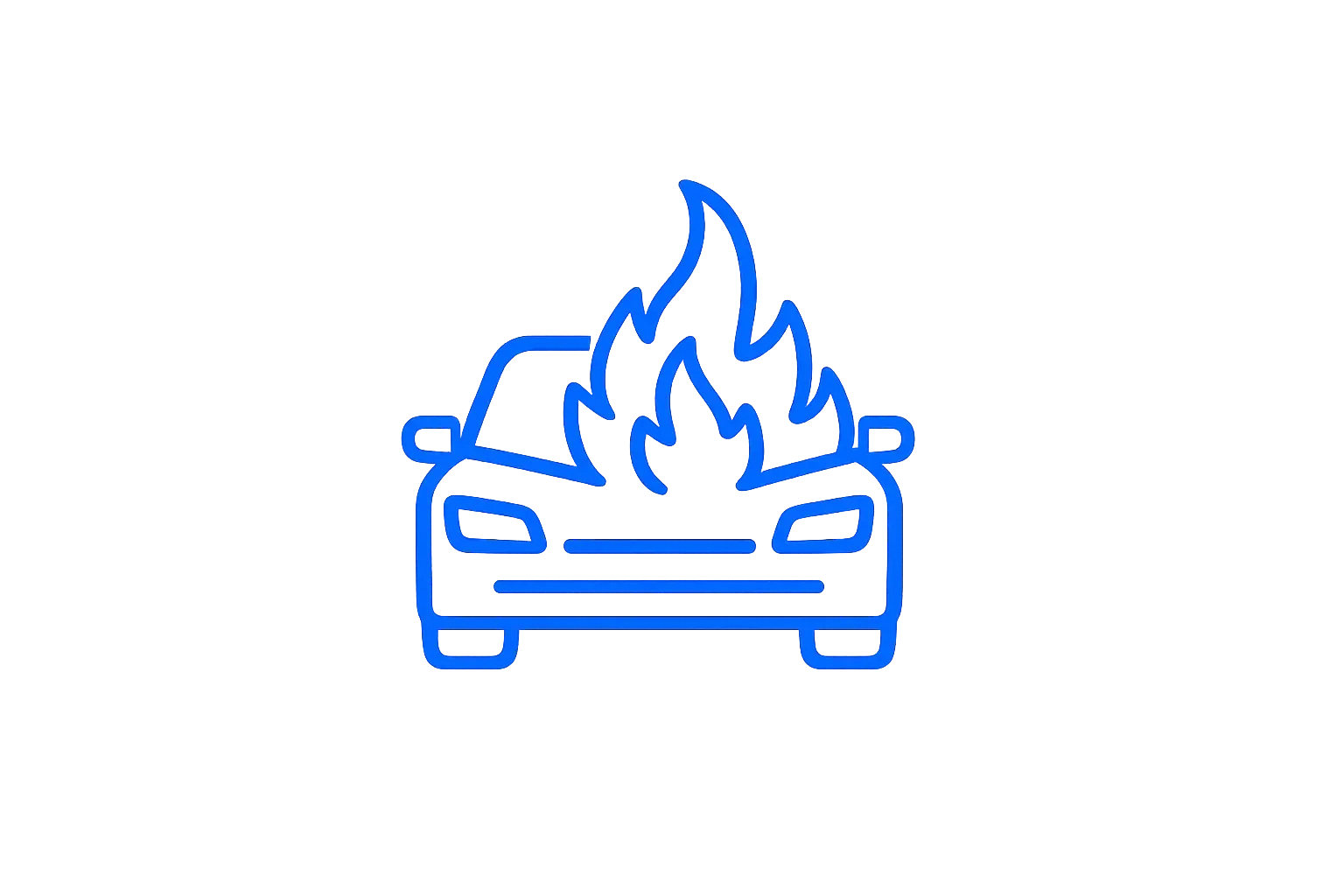
Fire Damage
If your vehicle is damaged or destroyed by fire, comprehensive coverage may be the part of the policy that responds.

Hail or Windstorm
If hail dents your vehicle or severe weather damages it, comprehensive coverage may apply depending on your policy wording.
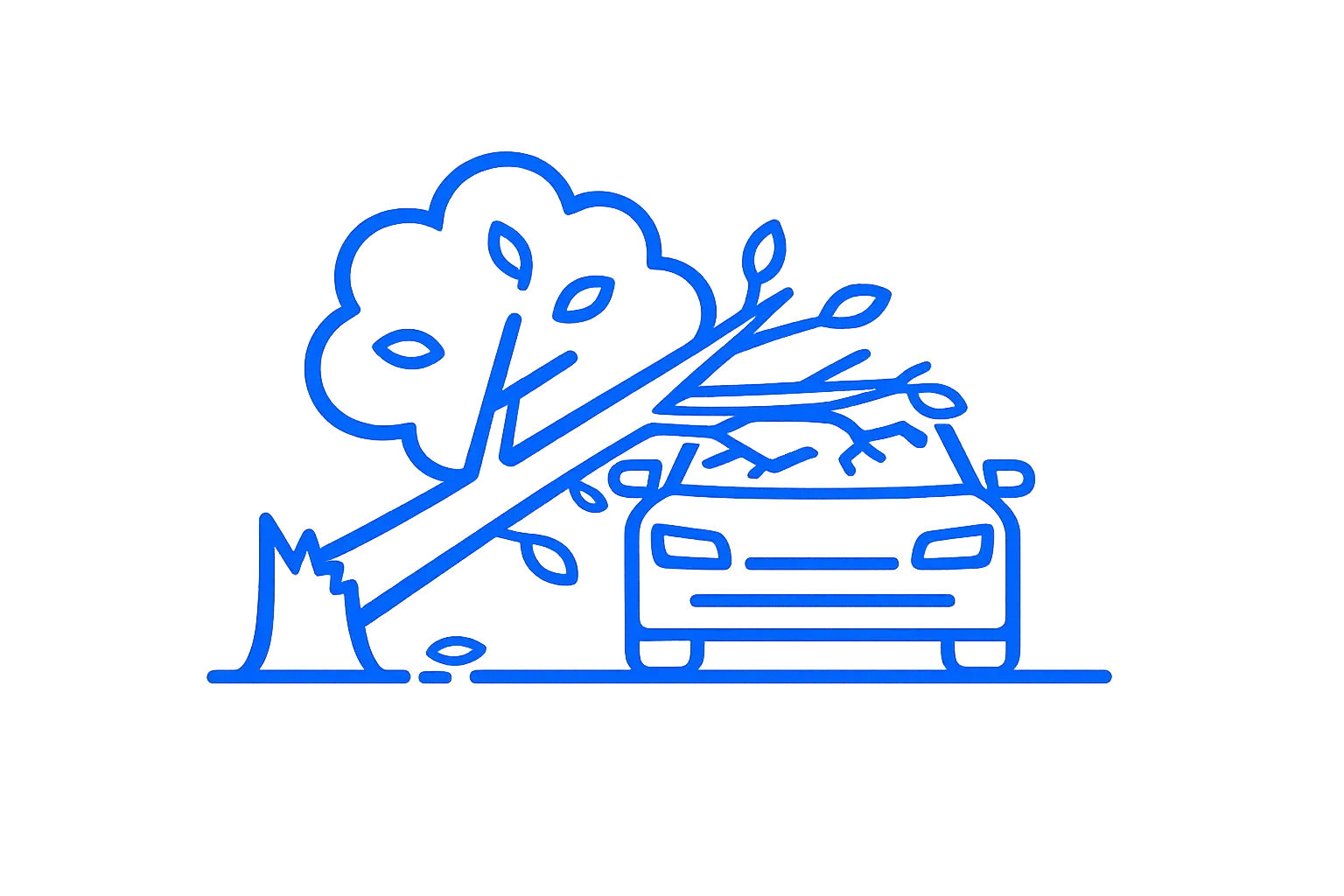
Falling Objects
If a tree, branch, or object falls onto your vehicle, comprehensive coverage may be the coverage that protects the vehicle.
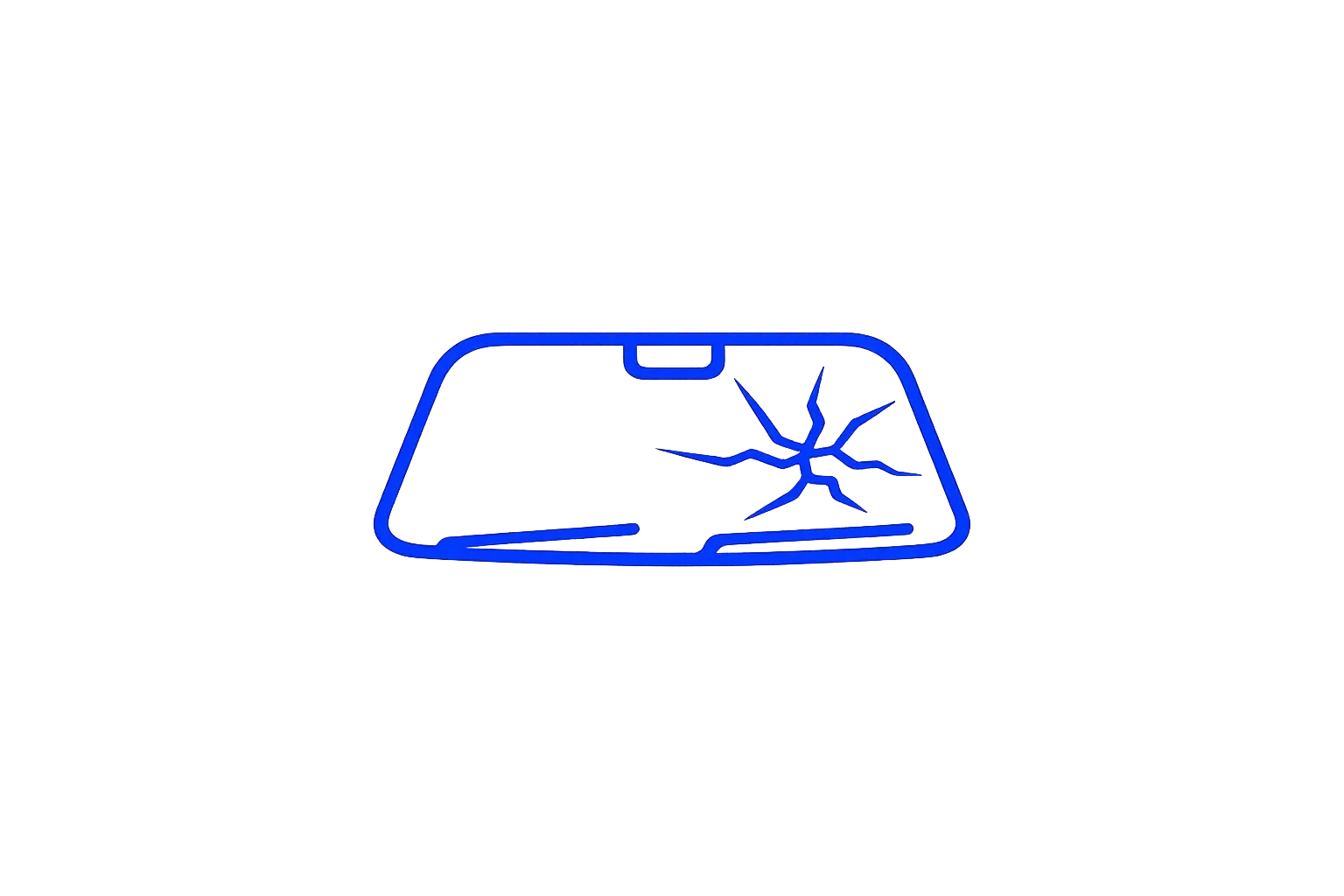
Glass Breakage
Windshield or glass damage may be handled under comprehensive coverage, depending on the policy, deductible, and type of glass claim.
Rising Water or Flooding
Rising water or flood-related vehicle damage may be handled under comprehensive coverage, subject to policy wording and exclusions.
How deductibles compare
Collision and comprehensive coverage can each have a deductible. The deductible is the amount you pay first on a covered claim before the insurer handles the remaining covered amount.
Collision Deductible
This may apply when your own vehicle is damaged in a covered collision claim, such as hitting another vehicle, object, curb, fence, ditch, or guardrail.
Comprehensive Deductible
This may apply when your own vehicle is damaged by a covered non-collision event, such as theft, fire, hail, vandalism, glass breakage, rising water, or falling objects.
Different Deductibles
Your collision deductible and comprehensive deductible may not be the same. Always check your declarations page before assuming the amount.
Some glass claims may be treated differently depending on the insurer and policy. Ask a broker how your deductible applies before making coverage decisions.
What neither coverage is designed to do
Collision and comprehensive coverage protect against covered physical damage losses, but neither one is a maintenance plan or a replacement for liability coverage.
Maintenance Issues
Rust, wear and tear, mechanical breakdown, old tires, battery failure, or regular maintenance issues are generally not the purpose of auto insurance.
Preventable Damage
Leaving a window or sunroof open and allowing rain to enter the vehicle may not be treated the same as sudden, accidental rising water or severe weather damage.
Damage to Other People
Collision and comprehensive are about your own vehicle. Claims made by other people for injury or property damage are generally handled under liability coverage.
Collision and comprehensive protect your vehicle as an asset. Liability protects you when others make covered claims against you.
Leased or financed vehicles may need both
If your vehicle is leased or financed, do not remove collision or comprehensive coverage without checking your lease or finance agreement first.
Lender Requirements
Many lenders and leasing companies require physical damage coverage because they have a financial interest in the vehicle.
Deductible Limits
Your agreement may require specific deductibles or may limit how high your deductible can be. Check before changing your policy.
Permission Matters
Removing collision or comprehensive without permission could create issues with your lender, lienholder, or leasing company.
Even if a coverage is optional from an insurance perspective, it may still be required by your lease or finance contract.
Should you keep both collision and comprehensive?
The answer depends on your vehicle value, deductible, premium savings, loan or lease requirements, parking situation, theft risk, driving habits, and whether you could afford repairs or replacement yourself.
Consider keeping both if...
Your vehicle is newer, valuable, leased, financed, used daily, parked outside, or expensive for you to repair or replace.
Review removing one if...
You own the vehicle outright, it has a lower market value, and you are comfortable paying for certain losses yourself.
Ask before changing
Before removing either coverage, ask what happens after a parking lot hit-and-run, theft, hailstorm, flood, fire, icy-road accident, or at-fault collision.
The right question is not just “How much can I save?” It is also “What risk am I keeping for myself?”
Continue learning about auto insurance
Collision Coverage
Learn how collision coverage works, when the deductible applies, and why parking lot hit-and-run claims can matter.
Comprehensive Coverage
Learn how comprehensive coverage works for theft, fire, hail, glass, flood, vandalism, and falling object claims.
Liability Coverage
Learn why liability coverage is different from physical damage coverage for your own vehicle.
Collision vs. comprehensive FAQs
What is the main difference between collision and comprehensive coverage?
Collision coverage is generally for damage to your own vehicle when it collides with another vehicle, an object, the ground, or is damaged in certain hit-and-run situations. Comprehensive coverage is generally for covered non-collision losses like theft, fire, hail, vandalism, glass breakage, rising water, or falling objects.
Does comprehensive coverage apply if my parked car is hit?
Not necessarily. If another vehicle hits your parked car and the driver leaves and cannot be identified, collision or all perils coverage may be needed for your own vehicle damage.
Can an icy-road accident still be considered at fault?
Yes. Police may decide not to issue a ticket, but insurance fault can still be assigned using Ontario’s Fault Determination Rules. Drivers are expected to adjust their driving to road and weather conditions.
Can I have comprehensive without collision?
In some situations, yes. Some customers choose comprehensive but remove collision, especially on older vehicles. However, you should review the risks carefully before doing this.
Can I remove collision and comprehensive from a leased or financed vehicle?
You should check with your lender, lienholder, or leasing company first. Many lease and finance agreements require physical damage coverage.
Do collision and comprehensive have the same deductible?
Not always. Collision and comprehensive can have different deductibles. Check your declarations page or ask your broker before assuming they are the same.
Does either coverage pay for mechanical breakdown?
Usually no. Collision and comprehensive are not maintenance plans. Mechanical breakdown, wear and tear, rust, corrosion, and gradual issues are generally not the purpose of auto insurance.